Empty Chairs At Christmas Tables
 Grief Action
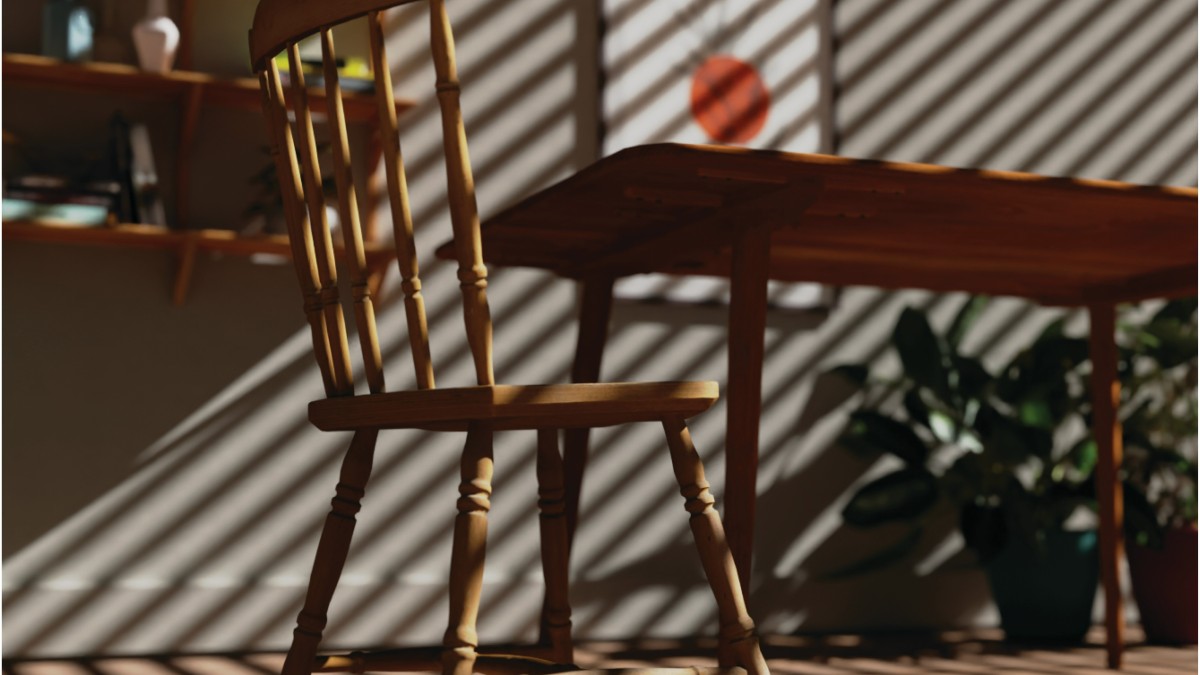
Empty chairs at seasonal gatherings can hold powerful emotional weight, revealing messages about how grief embeds itself in everyday spaces.
Seasonal gatherings rely heavily on repetition. The same table. The same seating. The same unspoken roles that family members and friends occupy year after year. These rituals provide predictability and continuity, particularly during periods such as Christmas, where tradition is often central to the gathering itself.
When someone has died, this repetition does not simply stop. The table is still set. The chairs are still arranged. But one position remains unfilled. An empty chair becomes more than a practical absence. It becomes a focal point for loss.
Why seasonal gatherings intensify grief
For many bereaved people, the emotional intensity of seasonal gatherings is not driven solely by memories or thoughts. It is anchored in the physical environment. The chair where someone always sat can evoke a surge of emotion that feels immediate and visceral, often catching people by surprise.
This reaction is not irrational, nor is it about an inability to move on. It reflects how meaning becomes embedded in ordinary objects through repeated relational use.
How ordinary objects come to carry relational meaning
A chair is not just a chair. Over time, it becomes a marker of identity. It holds the shape of a person’s role in the system, who poured the drinks, who carved the roast, who told the same story each year, who occupied that space in relation to others. The physical object comes to represent routine, belonging, and presence.
When that chair is empty, the absence is concrete. The loss is made visible. The relational system feels disrupted, not abstractly, but spatially.
Why grief feels sharper at Christmas and other milestones
From a psychological perspective, this helps explain why grief can feel sharper during seasonal gatherings than at other times of the year. These occasions amplify symbolic cues. Familiar settings and repeated patterns heighten awareness of who is missing and where they should be.
Importantly, this also helps professionals understand why grief is not simply cognitive or emotional. It is environmental. Meaning settles into spaces, objects, and routines. When those elements remain unchanged after a death, the contrast between past and present becomes stark.
When grief reactions are misunderstood or minimised
This phenomenon is often misunderstood. Bereaved individuals may feel self-conscious about how strongly they react to something as simple as a chair. Others may minimise it, assuming the reaction is disproportionate or avoidable. In reality, the emotional weight comes from the relational meaning the object carries, not the object itself.
Recognising this has practical implications for professionals working in grief-informed roles. It shifts the focus away from asking why someone is still affected and toward understanding how symbolic anchors operate. It also explains why well-intentioned advice to ignore, avoid, or quickly rearrange these cues may miss the point entirely.
What the empty chair teaches us about grief
Seasonal grief is not only about remembering a person. It is about encountering their absence in spaces designed for their presence.
The empty chair at a table captures this perfectly. It shows how loss can live quietly inside everyday environments, waiting for repetition to bring it back into focus.
Understanding this allows professionals, workplaces, and communities to respond with greater nuance. It reminds us that grief is not always loud or dramatic. Often, grief sits silently in familiar places, asking to be noticed rather than fixed.
Grief often anchors itself in ordinary objects and routines. Understanding this allows us to respond with awareness rather than judgement.
📩 Subscribe for Grief Action updates and insights.
📸 Photo by vaibhav khillari on Unsplash
Categories: : Grief And Significant Dates, Grief Education, Grief Literacy, Grief Support